


 |
 |
 |
 |
Noxious & Environmental Weeds
What is a Noxious Weed?
Noxious Weeds are weeds that are declared by an "order" under the Noxious Weeds Act 1993 (NWA).
Although there are many plants which could be classed as weeds only those plants which have a detrimental effect or cause serious economic loss to agriculture or the environment (providing there is a reasonable and enforceable means of control and its reasonable and practical for the Council to enforce control) are considered as candidates for declaration as noxious weeds.
Both environmental and production weeds may be declared under the NWA and all land managers are responsible for controlling noxious weeds as specified by the weed control "class".
Declaration Classes
Table 1 Control Classes of Noxious Weeds
|
Control Class |
Control Requirements |
| Class 1 | State Prohibited Weeds, plant must be eradicated from the land and the land must be kept free of the plant. The weeds are also "notifiable" and a range of restrictions on their sale and movement exist. |
| Class 2 | Regionally Prohibited Weeds, plant must be eradicated from the land and the land must be kept free of the plant. The weeds are also "notifiable" and a range of restrictions on their sale and movement exist. |
| Class 3 |
Regionally Controlled Weeds, plant must be fully and continuously suppressed and destroyed and where applicable the plant may not be sold, propagated or knowingly distributed. |
| Class 4 | Locally Controlled Weeds, the growth and spread of the plant must be controlled according to the measures specified in a management plan published by the local control authority and where applicable the plan may not be sold, propagated or knowingly distributed. |
| Class 5 |
Restricted Plants, must not be sold, purchased or scattered. |
What is an Environmental Weed?
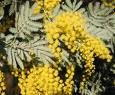
Environmental weeds are plants that represent a threat as above, to the conservation values of natural ecosystems. They invade native plant communities and out-compete them causing a reduction in plant diversity and resulting in a loss of habitat for native animals. Some examples of environmental weeds are bridal creeper, boneseed and blackberry. Environmental weeds can also be native Australian plants that are not local (indigenous) to the area they are growing in. They have the potential to displace and out-compete plants within the local plant community. Examples of native Australian plants that are doing this are sweet pittosporum and Cootamundra wattle.
 | ||
|
